QR Anti-Counterfeit Codes: 2026 Implementation Playbook
QR anti-counterfeit codes turn every product into a verifiable checkpoint. Each item carries a unique QR code that, when scanned with any phone camera, pings your server in real time and confirms authenticity—no special app, no guessing. In 2026 the playbook is less about printing a code and more about controlling the code: unique-per-item generation, server-side verification, and a monitored pilot before full rollout. This guide walks a field-tested implementation path used on QSDEFENDER's own coding lines, with per-unit cost benchmarks so you can budget realistically.
How QR Anti-Counterfeit Codes Actually Work
The QR code itself is just a doorway. The security lives behind it:
- Unique code, per item. A one-time code is generated for each unit—not a reused marketing QR copied across a whole batch.
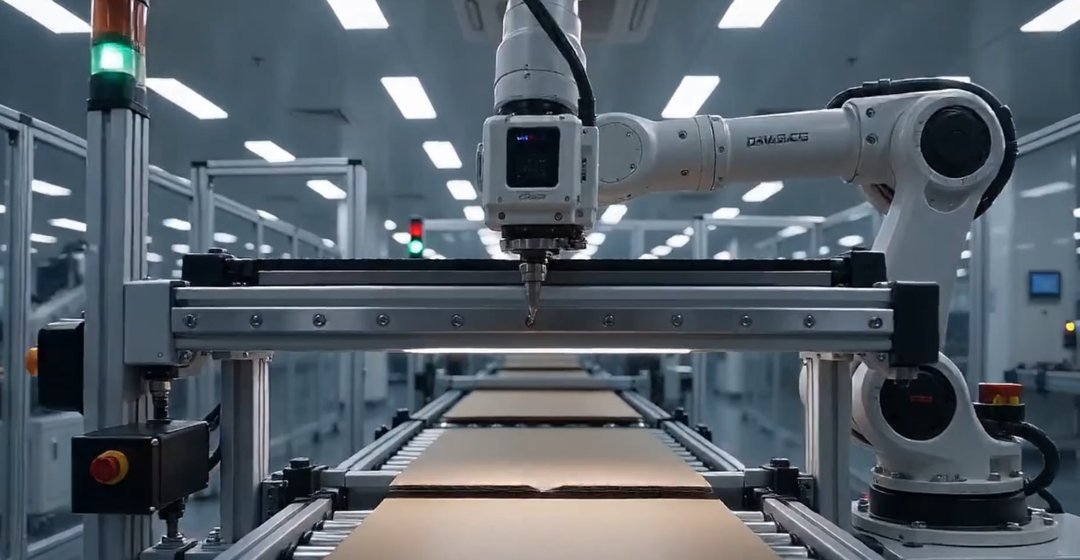
- Applied on a secure line. The code is printed onto the label or packaging via a controlled coding process with verification at print.
- Scanned by any phone. The consumer opens the camera, taps the notification, and lands on your verification page.
- Server decides. The request hits your verification server, which returns Authentic or Suspicious—and logs the scan.
The 2026 Implementation Playbook (6 Steps)
A practical rollout order that avoids the most common failures we see in audits:
Step 1 — Scope the product and pick the code type
Decide what you are protecting (a SKU, a batch, a high-value unit) and whether you need a unique static code or a dynamic code. Choose dynamic QR when you need ownership transfer, recall, or region-lock signals—see our guide on dynamic vs static QR codes.
Step 2 — Generate unique codes securely
Codes must be produced server-side, one per item, with no static reuse. Keep the code table in your own system of record; never embed the "answer" in the printed code. This is the foundation that makes every later step trustworthy.
Step 3 — Print and apply to spec
A scannable code is an engineered code. Respect minimum size, the quiet zone (blank margin), print DPI, and contrast. Our QR print specification guide lists the exact tolerances that survive the supply chain.
Step 4 — Connect server-side verification
The verification backend returns the result, records the scan, and raises an alert when the same code is scanned in an impossible pattern (e.g., thousands of hits in one city). Skipping this step is the #1 mistake in our five QR mistakes post.
Step 5 — Optimize the 10-second scan experience
Mobile-first, instant result, clear "Authentic / Suspicious" screen. A slow or confusing page trains customers to stop scanning. Design for the 10-second authenticate experience.
Step 6 — Pilot, monitor, then scale
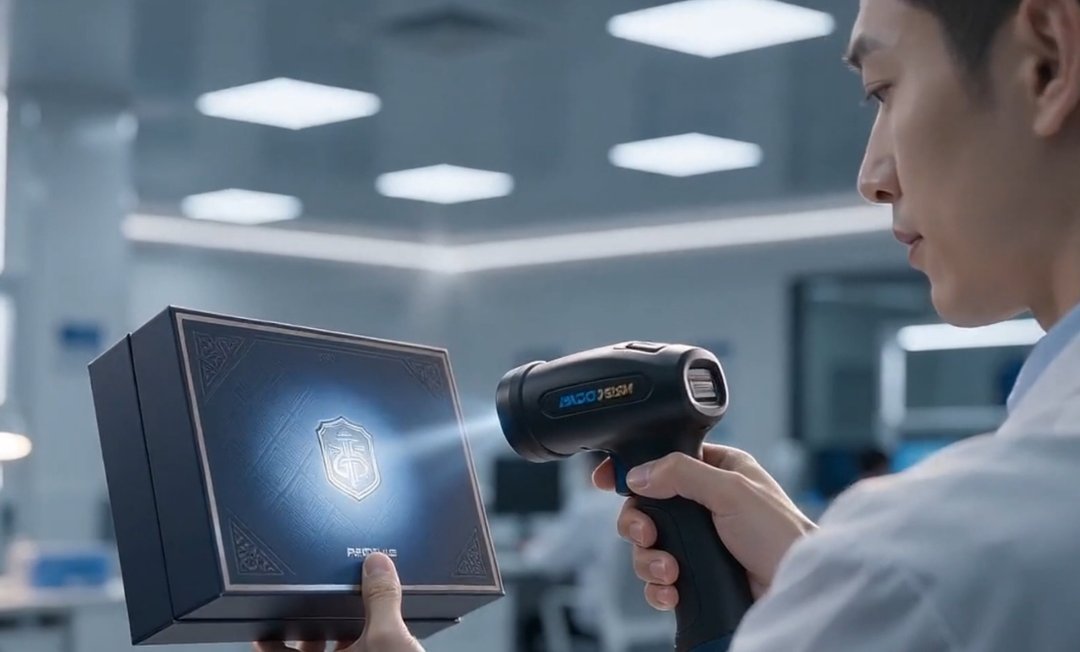
Run one product line as a pilot for 2–4 weeks. Track scan volume and anomaly alerts, confirm the workflow with your team, then scale. Book a pilot and we will scope codes, printing, and verification against your line.
What It Really Costs (2026 Benchmarks)
Per-unit cost is driven by material and security level, not by the QR itself:
| Security level | Typical per-unit cost | Best for |
|---|---|---|
| Printed QR label, standard | $0.003 – $0.02 | High-volume FMCG, pharma secondary |
| QR + tamper-evident base | $0.02 – $0.08 | Mid-value brands, pilots |
| QR + hologram / VOID layer | $0.08 – $0.25 | Premium, spirits, cosmetics |
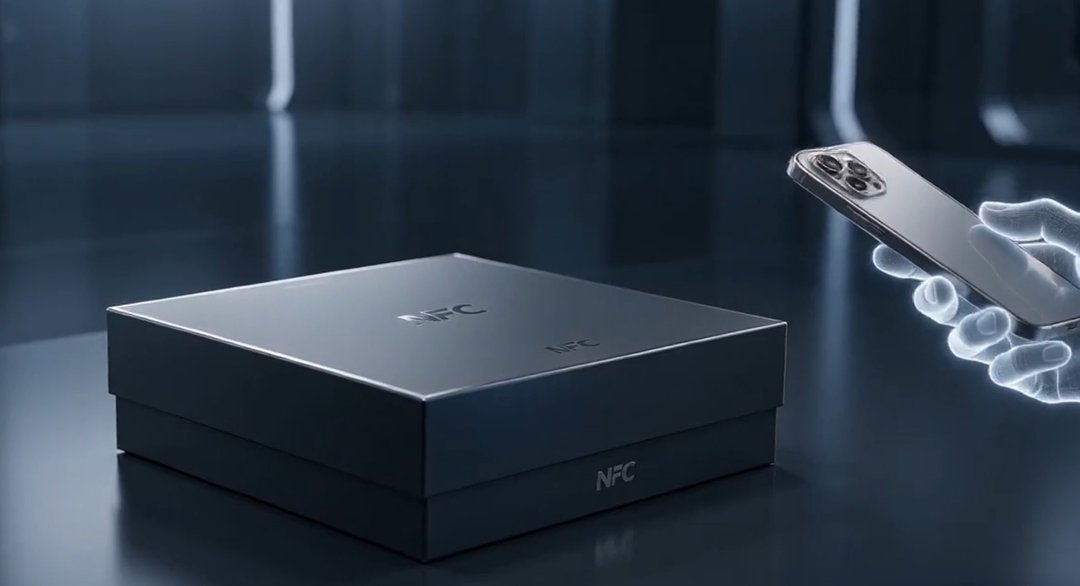
| QR + NFC / encrypted chip | $0.25 – $0.55 | Luxury, high-counterfeit-risk |
5 Mistakes That Let Counterfeiters Copy You
- Reusing one static code across many items.
- Printing codes too small, low contrast, or without a quiet zone.
- No server-side check—the QR only opens a fixed webpage.
- No scan monitoring, so copycat clusters stay invisible.
- Treating QR as the only layer instead of pairing it with hologram, VOID, or NFC.
Keep Building Your Defense
- Pillar: QR Anti-Counterfeit Codes (start here).
- Cluster B: RFID & NFC anti-counterfeiting labels.
- Cluster C: Holographic & VOID tamper-evident labels.
- Talk to us: Book a pilot.
FAQ
Do customers need an app to scan?
No. Any modern phone camera opens the verification page in the browser. An app only helps for advanced NFC or enrolled-loyalty flows.
Are dynamic QR codes worth the extra work?
Yes when you need ownership transfer, recall, or region control. For pure "is this real," a unique static code with server verification is enough.
How long does a pilot take?
Typically 2–4 weeks: one product line, code generation, printing, verification backend, and a monitoring window.
Summary
QR anti-counterfeit codes are only as strong as the server behind them. The 2026 baseline is unique codes + server-side verification + a monitored pilot. Start with one product line, prove it, then scale across the catalog. Pair QR with physical layers (hologram, VOID, NFC) for the clusters where counterfeiting risk is highest.