QR Anti-Counterfeit Codes: 2026 Implementation Playbook
A QR anti-counterfeit code is a unique, scannable label that lets a buyer confirm a product is genuine in seconds by scanning it with a phone. In 2026 the playbook is no longer "print a code and hope" - it is a six-step system spanning secure code generation, print specification, a verification backend, and consumer-grade scan UX. This guide walks brand owners through each step, with cost benchmarks and the mistakes that let counterfeiters copy you.
Why QR Codes Lead Brand Protection in 2026
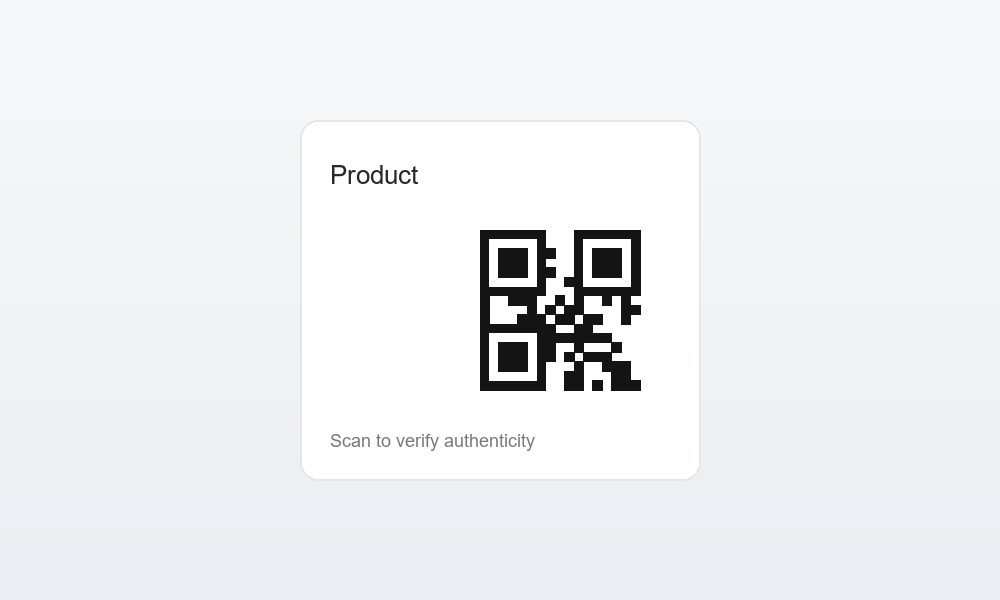
QR codes hit the sweet spot between cost and trust. They need no special hardware on the consumer side - any phone camera opens the verification page - and they can carry a unique identity per item or per batch. Regulators and buyers now expect a scan-to-verify path on pharmaceuticals, spirits, cosmetics, and spare parts, which is why QR sits at the center of most 2026 anti-counterfeit programs.
Direct answer
Use QR when you need low-cost, phone-native verification at scale. Reach for NFC or holography when the product value, reuse risk, or tamper evidence demands a stronger layer - see our comparison of QR vs NFC vs hologram options.
The 2026 QR Anti-Counterfeit Implementation Playbook
Treat rollout as a system, not a sticker. These six steps take you from a blank SKU to a live, monitorable authentication loop.
Step 1 - Map what you must protect
List the SKUs, batch sizes, and sales channels at risk. High-value or regulated lines get per-item codes; fast-moving commodity lines can start with per-batch codes. This decision drives every later cost and infrastructure choice.
Step 2 - Choose dynamic vs static QR
Static codes embed a fixed link and cannot be changed after print. Dynamic codes point to a server-controlled destination, so you can rotate the verification logic, expire a compromised batch, and measure scans. For brand protection, dynamic QR is the default unless you have a hard offline constraint.
Step 3 - Generate secure, unique codes
Never reuse one code across items, and never expose a predictable sequence. Generate cryptographically random identities, bind each to a backend record, and keep the secret server-side. Reused or guessable codes are the single most common way counterfeiters clone a legit label.
Step 4 - Print to supply-chain spec
A perfect code that smears in transit is worthless. Hold minimum print size, quiet-zone margin, contrast, and DPI so scanners read it after warehousing, shipping, and shelf handling. Our QR print specification guide lists the thresholds we validate on the production line.
Step 5 - Wire a verification backend and scan monitoring
The code is only half the system. A backend must answer "is this genuine", log each scan, and raise alerts on anomalies such as a code scanned thousands of times in one city. Scan telemetry is also your fastest signal of a leak in the gray market.
Step 6 - Design the 10-second consumer scan
If verification takes more than a few taps, buyers will not use it. A clear scan icon, an instant result page, and a plain-language "genuine / caution" state turn authentication from a compliance checkbox into a trust moment. We cover the UX patterns in our scan-to-authenticate guide.
What It Really Costs: 2026 Benchmarks
Per-unit cost spans a wide range by tag type and volume. Public industry benchmarks compiled by packaging vendors place QR and RFID authentication media between roughly USD 0.003 and USD 0.55 per unit, with the low end covering basic printed QR at volume and the high end covering encrypted NFC at low volume. Treat these as planning anchors, not quotes - your real cost depends on volume, chip choice, and whether verification is hosted or on-premise.
Cost anchors cited from public packaging-vendor benchmarks (e.g. Cubit Packaging range); verify against a volume quote for your SKU.
Common Mistakes That Let Counterfeiters Copy You
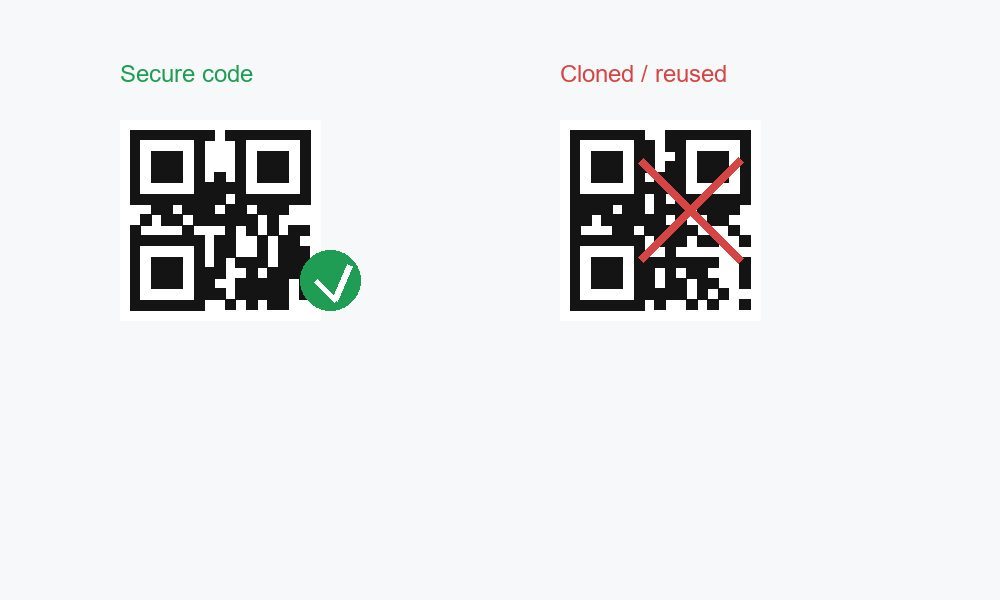
- Reusing one code across many items so a single leak clones the whole line.
- Shipping static codes with no backend, so a compromised batch can never be expired.
- Printing below spec - low contrast or missing quiet zone - so phones fail to read on the shelf.
- No scan monitoring, which means gray-market diversion stays invisible until it hits sales.
Each of these is avoidable at design time. Our QR code mistake audit expands the full checklist you can run before print.
Frequently Asked Questions
Do I need an app for customers to scan?
No. Modern phones open the verification page from the native camera, so buyers need zero installs. Keep the destination mobile-first and fast.
Static or dynamic QR for brand protection?
Dynamic, in almost every case. The ability to expire a batch, rotate logic, and read scan data is what turns a code into a protection system.
Is QR enough on its own?
For many brands yes, paired with a backend. For high-value or tamper-critical goods, layer QR with holography or VOID for visible and forensic defense.
Start With a Pilot
You do not need to re-label every SKU on day one. Pick one at-risk line, run the six steps end to end, and read the scan signal for 30 days. Our engineering team can scope a pilot on your product and show the verification loop on your real packaging before any full rollout.