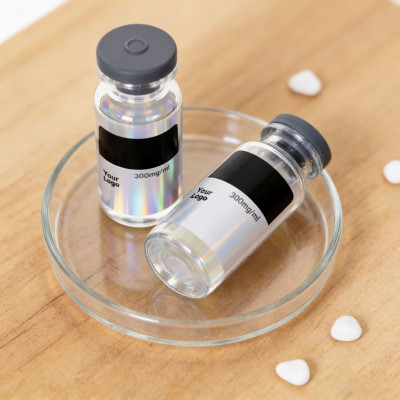
VOID Stickers: How "一揭即损" Deters Tampering
VOID Stickers: How "一揭即损" Deters Tampering
A VOID sticker is the simplest tamper-evident device on the market, and often the most effective. The idea behind the Chinese term 一揭即损 — "once peeled, it is damaged" — is exactly how it works: the moment someone lifts the label, a hidden "VOID" message appears on the surface and the label itself cannot be returned to its original state. That single behavior turns every sealed package into a self-reporting security device.
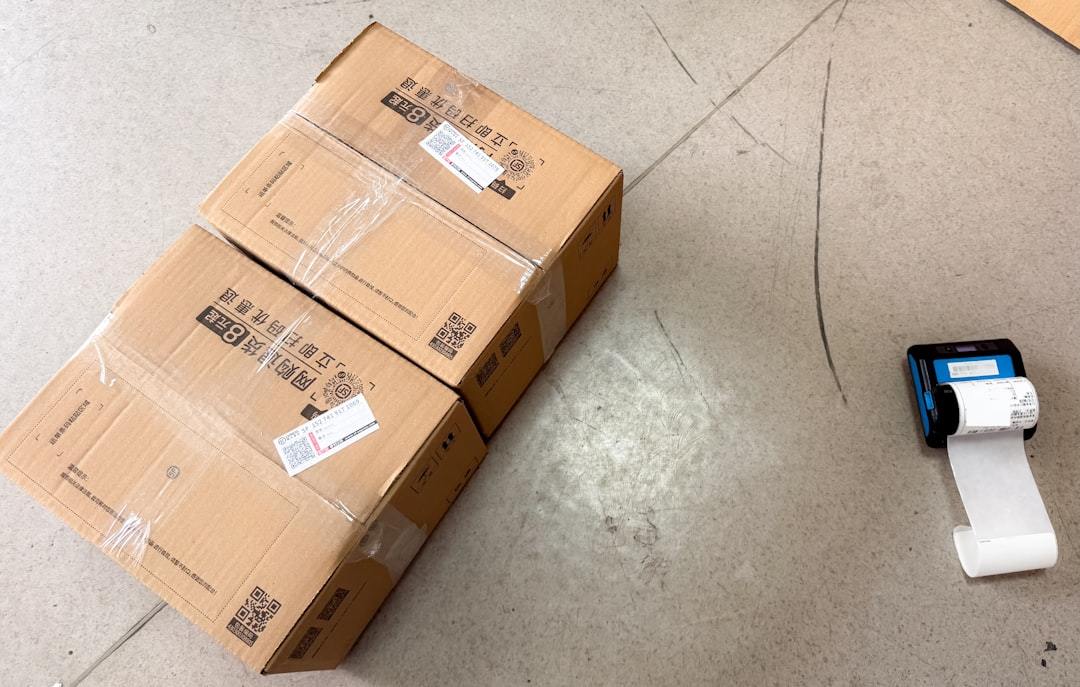
How the VOID Mechanism Works
The adhesive is engineered so that lifting the face stock splits the layer unevenly. One part of the printed "VOID" pattern stays stuck to the product; the other part stays on the label. The result is two partial images that only made sense together — and a clear, permanent "VOID" wordmark left behind. Even a careful, partial lift triggers it, because the split begins the instant the bond breaks.
Common VOID materials
- PET VOID film — crisp transfer, good for cartons and electronics
- Destructible vinyl — fractures into pieces when pulled, for high-security seals
- Frangible stock — brittle face that breaks on rigid, flat surfaces
- Void + hologram combo — adds a visual trust mark on top of the tamper proof
Why "一揭即损" Actually Deters
Deterrence is both physical and psychological. Physically, a counterfeit or return fraudster cannot lift the seal, inspect or swap the contents, and reseal it convincingly — the VOID mark is already there. Psychologically, the visible consequence removes the "maybe they will not notice" calculus. Most opportunists move to an unsealed product instead. For brand owners, the label also creates a documented moment of truth: a package that arrives showing "VOID" is provable evidence of interference.
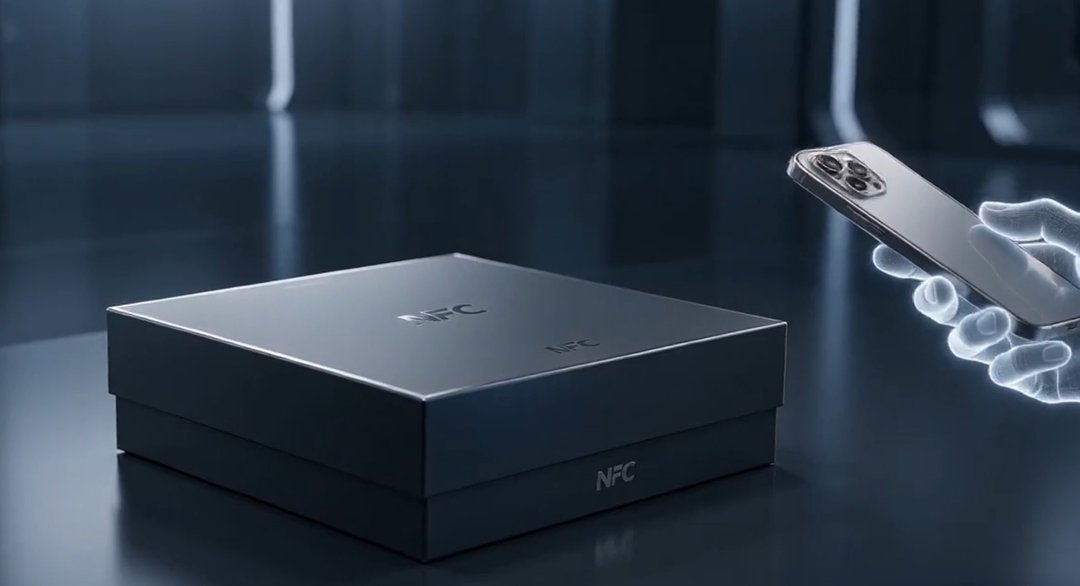
Pair VOID with a scan
A VOID seal proves the pack was unopened; a serialized QR beneath proves the unit is genuine. Together they answer two questions — "was it tampered with?" and "is it real?" — in one glance and one scan.
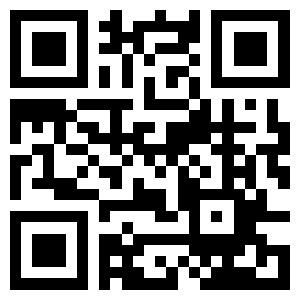
Generated from http://www.qsdefender.com/ — point it at your product verification URL in production.
Where VOID Stickers Belong
- Secondary cartons and outer boxes — the first seal a handler meets
- Warranty and service labels — voids the warranty the instant it is lifted
- Pharma and medical device packaging — complements serialization as physical proof
- Electronics and spare parts — stops grey-market refurbishing of returns
- Documents and certificates — seals envelopes, licenses, and certificates of authenticity
VOID vs Other Tamper Evidence
| Method | Shows opening? | Re-sealable? | Best use |
|---|---|---|---|
| VOID sticker | Yes, permanently | No | Boxes, warranties, documents |
| Breakable perforated seal | Yes, on break | No | Tag ties, cable seals |
| Holographic label | Only if designed to | Partially | Visual trust + brand mark |
| Serialized QR only | No (digital only) | Yes (code stays) | Verification + analytics |

Frequently Asked Questions
Can a VOID sticker be reused?
No. The transfer is one-way by design. Once lifted, the "VOID" pattern is split and visible, and the label cannot be flattened back into a clean state.
Does VOID work on curved or textured surfaces?
It depends on the material. Smooth cartons take PET VOID well; rigid, slightly textured plastics need destructible or frangible stocks. Always test the substrate before a full run.
Is a VOID sticker enough on its own?
For tamper evidence, yes. For full anti-counterfeit protection, pair it with a serialized QR or hologram so you can also verify authenticity, not just integrity.
Spec Your Tamper-Evident Seal
Pair VOID with our serialized QR codes and the Anti-Counterfeiting Technology line, including holographic tamper-evident labels. Send an inquiry or contact us for material samples, or browse anti-counterfeit labels and tags →