Provider in Authentication & Anti Counterfeiting Solutions

Home / All

Certificates

Business License
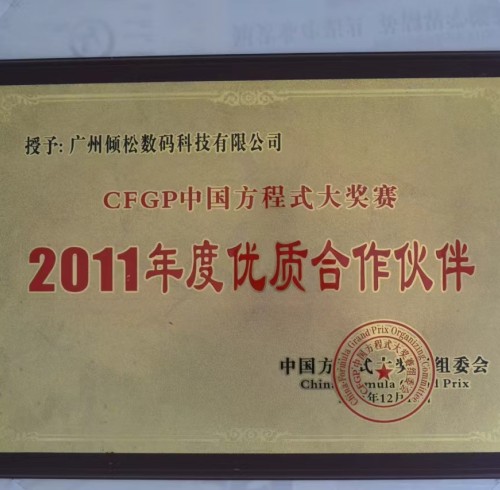
  • Quality Partner certificate
    Quality Partner Certificate Description for the Anti-Counterfeiting Label IndustrIntroductionThe anti-counterfeiting label industry plays a critical role in ensuring product authenticity, safeguarding brand reputation, and protecting consumer rights. The Quality Partner Certificate is designed to recognize outstanding enterprises that demonstrate exceptional quality management, advanced technological applications, and integrity in collaboration within the anti-counterfeiting label sector. This certificate not only acknowledges the remarkable achievements of partners in quality control, technological innovation, and supply chain collaboration but also underscores their commitment to elevating industry standards and enhancing consumer trust.Background and Significance of the CertificateWith the rapid development of global trade and the proliferation of counterfeit products, the anti-counterfeiting label industry is pivotal in protecting intellectual property, preventing market fraud, and boosting consumer confidence. High-quality anti-counterfeiting labels require advanced materials, cutting-edge technologies, and close coordination among supply chain stakeholders. The Quality Partner Certificate aims to identify and honor enterprises that excel in the production, research, and service of anti-counterfeiting labels, encouraging them to pursue higher quality standards and drive continuous innovation in anti-counterfeiting technologies.The issuance of this certificate not only recognizes the achievements of the recipients but also highlights their role as industry benchmarks. By honoring exemplary partners, the certificate promotes the standardized development of the anti-counterfeiting label industry, enhances overall competitiveness, and provides the market with safer and more reliable anti-counterfeiting solutions.Evaluation Criteria for the CertificateThe selection process for the Quality Partner Certificate adheres to strict and transparent standards to ensure that recipients represent the highest level of excellence in the industry. The key evaluation criteria include:1.Product Quality and ConsistencyPartners must demonstrate that their anti-counterfeiting label products meet industry-leading standards in material selection, production processes, and final product testing. Products must exhibit high durability, tamper resistance, and traceability to effectively prevent counterfeiting in various use cases.2.Technological InnovationRecipients must showcase innovative achievements in anti-counterfeiting technologies, such as advanced QR code systems, RFID chips, invisible watermarks, nano-printing, or other cutting-edge solutions. Innovation is also evaluated based on the ability to adapt quickly to emerging technologies to meet evolving market demands.3.Supply Chain ManagementPartners must maintain an efficient and transparent supply chain management system, ensuring that raw material procurement, production processes, and product delivery comply with international quality standards (e.g., ISO 9001, ISO 27001). The stability and reliability of the supply chain are critical evaluation factors.4.Customer Service and CollaborationEnterprises must demonstrate exceptional customer service, including timely responses to client needs, provision of customized solutions, and strong collaborative relationships with upstream and downstream partners. Integrity and a proven track record of stable, long-term cooperation are key considerations.5.Social Responsibility and SustainabilityRecipients must prioritize environmental sustainability in their production processes, using eco-friendly materials and practices to minimize environmental impact. Compliance with relevant laws and regulations, along with a strong sense of social responsibility, is also a vital criterion.
    Jul 25,2025
Product Certificates
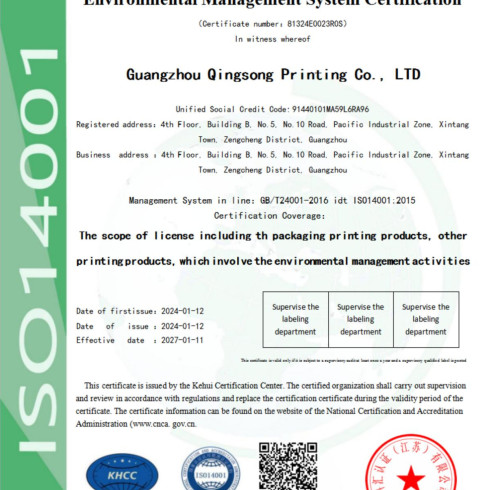
  • ISO14001
    ISO 14001 is an Environmental Management System (EMS) certification applicable to various industries, including anti-counterfeiting, aimed at helping organizations establish and implement effective environmental management practices to reduce environmental impact, comply with regulations, and promote sustainability.Definition and Purpose: ISO 14001, developed by the International Organization for Standardization (ISO), sets standards for an EMS to systematically manage environmental responsibilities. It aims to minimize environmental pollution, conserve resources, and enhance sustainability. In the anti-counterfeiting industry, which involves printing, material production, and chemical processes, ISO 14001 helps address environmental impacts like waste, emissions, and energy use.Relevance to the Anti-Counterfeiting Industry: Companies in this sector can use ISO 14001 to standardize environmental management in production processes, such as reducing printing waste, safely handling chemicals, and optimizing energy consumption, ensuring compliance with environmental laws and boosting market competitiveness.
    Aug 7,2025
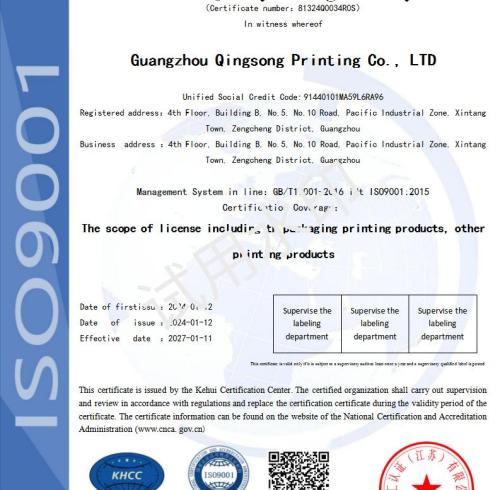
  • ISO9001
    ISO 9100 Certification Description for the Anti-Counterfeiting Label IndustryIntroductionThe ISO 9100 certification emphasizing stringent quality management systems to ensure product authenticity, traceability, and reliability. This certification serves as a globally recognized benchmark, affirming an organization's commitment to delivering high-quality anti-counterfeiting labels that protect brand integrity and consumer trust. The certificate acknowledges enterprises that adhere to rigorous standards in production, technological innovation, and supply chain management, ensuring their products meet the demands of a dynamic global market.Background and Significance of ISO 9100 CertificationAs counterfeit products continue to pose significant challenges to global trade, the anti-counterfeiting label industry plays a pivotal role in safeguarding intellectual property, preventing fraud, and enhancing market confidence. The ISO 9100 standard, specifically designed for this industry, sets forth comprehensive requirements for quality management systems, focusing on the unique needs of anti-counterfeiting technologies. Achieving ISO 9100 certification demonstrates an organization’s ability to consistently produce secure, high-quality labels while maintaining robust processes to combat counterfeiting threats.This certification is not only a mark of excellence but also a catalyst for industry-wide improvement. It encourages organizations to adopt best practices, innovate in anti-counterfeiting technologies, and foster trust among stakeholders. Certified enterprises are recognized as leaders in the fight against counterfeiting, contributing to a safer and more reliable marketplace.Certification Scope and RequirementsThe ISO 9100 certification encompasses a comprehensive set of requirements tailored to the anti-counterfeiting label industry. Key areas of focus include:1.Quality Management SystemOrganizations must establish, implement, and maintain a quality management system that ensures consistent production of anti-counterfeiting labels. This includes documented processes for quality control, risk management, and continuous improvement, aligned with industry-specific needs.2.Product Security and TraceabilityCertified organizations must demonstrate the ability to produce labels with advanced security features, such as tamper-evident materials, holographic elements, QR codes, or RFID technology. Traceability mechanisms must ensure that products can be tracked throughout the supply chain to prevent unauthorized replication.3.Technological InnovationThe certification requires organizations to integrate cutting-edge technologies into their production processes. This includes adopting innovative anti-counterfeiting solutions, such as nano-printing or blockchain-based verification, to stay ahead of evolving counterfeiting techniques.4.Supply Chain IntegrityA robust supply chain management system is essential, ensuring that raw materials, production processes, and distribution channels comply with stringent security and quality standards. Organizations must mitigate risks of supply chain vulnerabilities that could compromise label integrity.5.Compliance and Risk ManagementCertified enterprises must adhere to relevant legal and regulatory requirements, including intellectual property laws and industry standards. A proactive approach to identifying and mitigating risks associated with counterfeiting is a core component of the certification.6.Customer Satisfaction and CollaborationOrganizations must prioritize customer needs by providing customized, reliable anti-counterfeiting solutions and maintaining strong communication with clients and partners. Feedback mechanisms and performance metrics are used to ensure continuous improvement in service delivery.
    Jul 25,2025
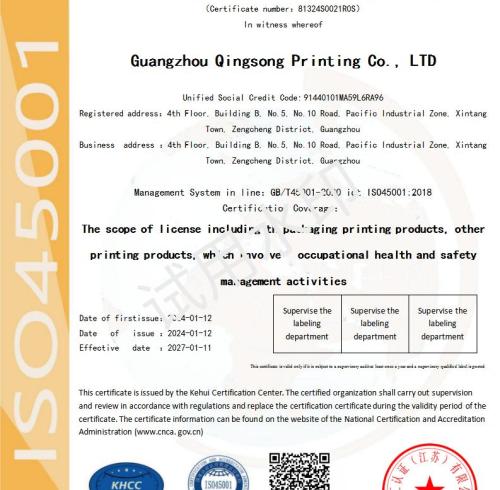
  • ISO45001
     ISO 45001 Certificate Description for the Anti-Counterfeiting Label Industry1. Overview of ISO 45001ISO 45001 is an international standard for occupational health and safety management systems, officially titled “ISO 45001:2018 Occupational Health and Safety Management Systems – Requirements with Guidance for Use.” Published by the International Organization for Standardization (ISO) in 2018, this standard aims to help organizations establish a systematic framework to prevent workplace injuries and health issues, enhance employee safety and well-being, and ensure compliance with global occupational health and safety regulations.Replacing the earlier OHSAS 18001 standard, ISO 45001 adopts the ISO High-Level Structure (HLS), aligning its structure with other ISO standards such as ISO 9001 and ISO 14001. This facilitates the integration of multiple management systems. The standard is applicable across various industries, particularly those with high risks, such as manufacturing, construction, and chemical industries.2. Background of the Anti-Counterfeiting Label Industry and ISO 45001 ApplicabilityThe anti-counterfeiting label industry, a key segment of modern manufacturing, involves processes like printing, material processing, chemical handling, and machinery operation, all of which present occupational health and safety challenges. Potential risks in this industry include:Chemical Exposure: Inks, adhesives, and solvents may pose risks to workers’ skin and respiratory systems.Mechanical Injuries: Improper operation of printing or cutting machines can lead to accidents.Ergonomic Risks: Repetitive tasks may cause musculoskeletal disorders.Noise and Dust: Production environments may generate noise and dust, affecting workers’ hearing and respiratory health.Implementing ISO 45001 enables anti-counterfeiting label companies to systematically identify, assess, and control these risks, fostering a safety culture, improving employee health, and enhancing market competitiveness.3. Significance of ISO 45001 in the Anti-Counterfeiting Label Industry1.Improved Employee Safety and HealthISO 45001 requires organizations to identify workplace hazards and implement preventive measures. For instance, anti-counterfeiting label companies can reduce chemical exposure risks by providing personal protective equipment (e.g., gloves, masks), improving ventilation systems, and conducting regular health checks. This protects employees, reduces workplace injuries, and lowers medical and compensation costs.2.Enhanced Regulatory ComplianceThe anti-counterfeiting label industry must comply with national and regional occupational health and safety regulations—for example, China’s Work Safety Law or the EU’s OSH Framework Directive. ISO 45001 helps establish compliance evaluation mechanisms, ensuring production processes meet legal requirements and minimizing risks of fines or operational shutdowns.3.Increased CompetitivenessAchieving ISO 45001 certification demonstrates that a company meets international occupational health and safety standards, which is particularly valuable for anti-counterfeiting label firms in global supply chains. Clients and partners prefer certified suppliers, as certification reflects corporate responsibility and reliability.4.Continuous ImprovementISO 45001 emphasizes the “Plan-Do-Check-Act” (PDCA) cycle, encouraging ongoing optimization of management systems. Through regular internal audits and management reviews, companies can identify issues such as inadequate equipment maintenance or training gaps and address them promptly.
    Jul 25,2025
Other Certificates
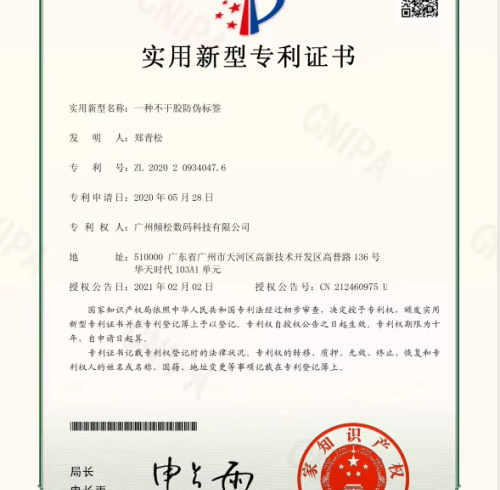
  • A self-adhesive anti-counterfeiting label
    Patent Certificate Description for Self-Adhesive Anti-Counterfeiting Label in the Anti-Counterfeiting Label IndustryIntroductionThe Patent Certificate for a Self-Adhesive Anti-Counterfeiting Label represents a prestigious recognition of innovation and technological advancement in the anti-counterfeiting label industry. This certificate is awarded to inventors or organizations that have developed a novel, non-obvious, and industrially applicable self-adhesive anti-counterfeiting label, as validated by a national or international patent authority. The certificate acknowledges the unique technical contributions of the patented design, which enhances product security, brand protection, and consumer trust through advanced anti-counterfeiting features. It underscores the patent holder’s commitment to pioneering solutions that combat counterfeiting and uphold industry standards.Background and Significance of the Patent CertificateThe anti-counterfeiting label industry is critical in safeguarding intellectual property, preventing market fraud, and ensuring consumer confidence in an era of increasing counterfeit goods. Self-adhesive anti-counterfeiting labels, with their ease of application and integration of advanced security features, are widely used across sectors such as pharmaceuticals, electronics, luxury goods, and consumer products. The patent certificate for such a label signifies a breakthrough in design, materials, or technology that sets it apart from existing solutions, offering enhanced protection against tampering, replication, or unauthorized use.This certificate is not only a testament to the inventiveness of the patent holder but also a catalyst for industry innovation. By recognizing novel self-adhesive anti-counterfeiting labels, the patent encourages further research and development, driving the creation of more secure, efficient, and sustainable solutions. It also strengthens the patent holder’s market position by granting exclusive rights to the patented technology, fostering competitive advantage and industry leadership.Scope and Requirements of the Patent CertificateThe patent certificate for a self-adhesive anti-counterfeiting label is granted based on strict criteria established by patent authorities, ensuring that the invention meets global standards for intellectual property protection. The key requirements include:1.NoveltyThe self-adhesive anti-counterfeiting label must introduce a new concept, material, or technical feature not previously disclosed in the public domain. This could include innovative adhesive formulations, unique security elements (e.g., holograms, microtext, or RFID integration), or novel application methods.2.Inventive StepThe invention must demonstrate a non-obvious advancement over existing technologies. The design or functionality of the label must represent a significant improvement, such as enhanced tamper resistance, improved traceability, or compatibility with diverse surfaces.4.Industrial ApplicabilityThe label must be capable of industrial production and practical application across relevant sectors. It should be scalable, cost-effective, and adaptable to various product types while maintaining its anti-counterfeiting efficacy.5.Security FeaturesThe patented label must incorporate advanced anti-counterfeiting measures, such as tamper-evident mechanisms, encrypted QR codes, UV-reactive inks, or other technologies that make replication difficult or impossible. These features must enhance the label’s ability to protect products and verify authenticity.6.Compliance with Patent RegulationsThe invention must comply with the legal and procedural requirements of the issuing patent authority, including detailed technical documentation, claims defining the scope of protection, and evidence of the invention’s originality.
    Jul 25,2025
  • ROHS
    RoHS Certification Description for the Anti-Counterfeiting Label IndustryIntroductionThe Restriction of Hazardous Substances (RoHS) certification is a globally recognized standard that ensures products, including anti-counterfeiting labels, are manufactured without the use of specific hazardous materials that pose risks to human health and the environment. In the anti-counterfeiting label industry, RoHS certification underscores an organization’s commitment to producing environmentally safe, sustainable, and compliant products while maintaining the high security and quality standards required for effective anti-counterfeiting solutions. This certificate is a testament to an enterprise’s dedication to environmental responsibility, regulatory compliance, and consumer safety.Background and Significance of RoHS CertificationThe anti-counterfeiting label industry plays a vital role in protecting brand integrity and preventing fraud in global markets. However, the materials used in producing these labels must meet stringent environmental and safety regulations to minimize ecological impact and ensure safe handling throughout the product lifecycle. The RoHS directive, originating from the European Union and adopted worldwide, restricts the use of certain hazardous substances, such as lead, mercury, cadmium, and specific flame retardants, in electrical and electronic equipment, including components used in anti-counterfeiting labels.RoHS certification in this industry signifies that an organization has implemented rigorous controls to eliminate restricted substances from its production processes, ensuring that its labels are both secure and environmentally friendly. This certification is critical for enterprises aiming to access global markets, comply with international regulations, and meet the growing demand for sustainable products. By achieving RoHS certification, companies demonstrate leadership in environmental stewardship while maintaining the functionality and reliability of their anti-counterfeiting solutions.Scope and Requirements of RoHS CertificationRoHS certification applies to the materials, components, and manufacturing processes used in producing anti-counterfeiting labels, particularly those integrated with electronic elements like RFID chips or conductive inks. The key requirements include:1.Restriction of Hazardous SubstancesOrganizations must ensure that their products do not contain restricted substances beyond the allowable limits, including lead (Pb), mercury (Hg), cadmium (Cd), hexavalent chromium (Cr6+), polybrominated biphenyls (PBB), and polybrominated diphenyl ethers (PBDE). For certain applications, additional substances like phthalates may also be restricted.2.Material ComplianceAll raw materials, adhesives, inks, and electronic components used in anti-counterfeiting labels must be tested and verified to comply with RoHS standards. Suppliers must provide documentation, such as material declarations or test reports, to confirm the absence of restricted substances.3.Production Process ControlManufacturers must implement strict controls throughout the production process to prevent contamination by hazardous substances. This includes regular audits of manufacturing facilities, equipment, and supply chains to ensure compliance.4.Testing and VerificationProducts must undergo rigorous testing by accredited laboratories to confirm compliance with RoHS requirements. Testing methods may include X-ray fluorescence (XRF) analysis or chemical analysis to detect the presence of restricted substances.5.Documentation and TraceabilityCertified organizations must maintain comprehensive records, including Certificates of Compliance (CoC), technical documentation, and supplier declarations, to demonstrate adherence to RoHS standards. Traceability systems ensure that all components can be tracked back to their source.6.Environmental ResponsibilityBeyond compliance, organizations are encouraged to adopt sustainable practices, such as using recyclable materials, reducing waste, and minimizing energy consumption in production, aligning with broader environmental goals.
    Jul 25,2025
Contact Person
Sandy
Name:
Sandy
Tel:

+86-13763020232

Email:
Address:
401, 4th Floor, No. 110, Pacific Industrial Zone, Xintang Town, Zengcheng District,Guangzhou,Guangdong
FOLLOW US
Please send your message to us
*Email
Mobile Phone
*Title
*Content
Upload
  • Only supports .rar/.zip/.jpg/.png/.gif/.doc/.xls/.pdf, maximum 20MB.