The 2026 Anti-Counterfeit Buyer's Checklist (Free Download)
Counterfeiting is no longer a "nice-to-have" risk line. Global trade in fake goods was measured at US$467 billion by OECD/EUIPO — about 2.3% of world merchandise trade — and the small-parcel channel now accounts for the majority of seized fakes. For a brand owner, the hard part is not believing you need protection; it is choosing the right stack among QR, NFC, holograms, VOID and blockchain without overspending or under-protecting. This checklist walks the 2026 buyer through the decisions that actually move the needle. (See our 2026 trend outlook for the "why".) Before picking a technology, name the enemy. A B2B industrial part and a luxury perfume face different attackers, so they need different defenses. No single feature is enough. Pick the layer (or layers) that fit your product, margin and scan audience. Our QR vs NFC vs Hologram comparison breaks down the trade-offs. Cheapest per-unit, consumer-scannable. Avoid the 5 classic mistakes in this guide and read the implementation playbook. Tap-to-verify with NTAG 424 DNA challenge-response. Start with the B2B buyer's guide and the NTAG 424 DNA explainer. Visible deterrence + tamper evidence. See Hologram 101 and holographic & VOID labels. One feature invites one bypass. Layer public, covert and forensic controls and you raise the attacker's cost above the reward. The 4-layer framework and public/covert/forensic model show how. The full buyer's checklist — formatted as a printable one-pager with a scoring sheet and a supplier questionnaire — is available from our team. Tell us your industry and product, and we will send the matching worksheet plus a no-obligation pilot scoping. Request the checklist & talk to our engineers → A serialized QR (dynamic, so you can manage it post-print) plus a VOID tamper seal, backed by a scan-monitoring dashboard. It covers consumer verification, tamper evidence and basic analytics at the lowest cost — details in the QR playbook. QR wins on cost and universal phone support; NFC wins on tap-speed and cryptographic proof. Many brands use QR for the mass market and NFC for high-value or B2B items. The comparison matrix gives the decision rule. No. Blockchain is valuable when you need a non-repudiable, shared audit log across partners (e.g., pharma, spirits provenance). For most brands, a well-run centralized log is enough; see crypto-anchors to decide. A QR + VOID pilot can typically launch within weeks once artwork and the verification backend are scoped. Our engineers will give you a realistic timeline in the scoping call linked above.Why You Need a Buyer's Checklist in 2026
1. Define Your Threat Model First
2. Choose the Right Authentication Layer
QR (digital entry)
NFC / RFID (crypto)
Hologram / VOID (physical)

3. Never Skip the Physical / Tamper Layer
4. Go Layered — Defense in Depth
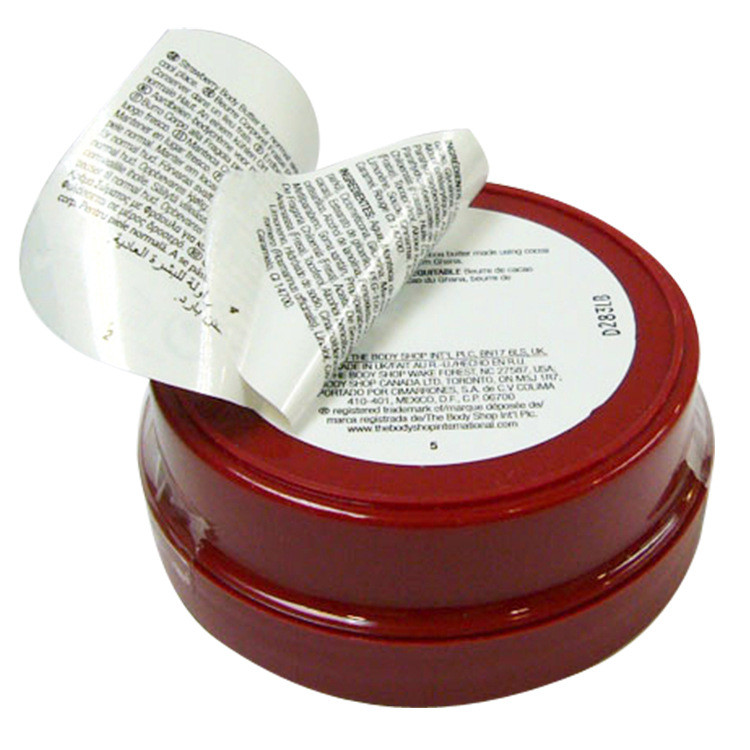
5. Plan the Digital Backbone
6. Meet Industry-Specific Compliance
7. Vet Your Supplier Like a Risk Control
Get the One-Page Printable Checklist
Frequently Asked Questions
What is the minimum viable anti-counterfeit setup for a mid-size brand?
QR or NFC — which should I choose?
Is blockchain mandatory?
How fast can a pilot go live?